PAPrKA Study
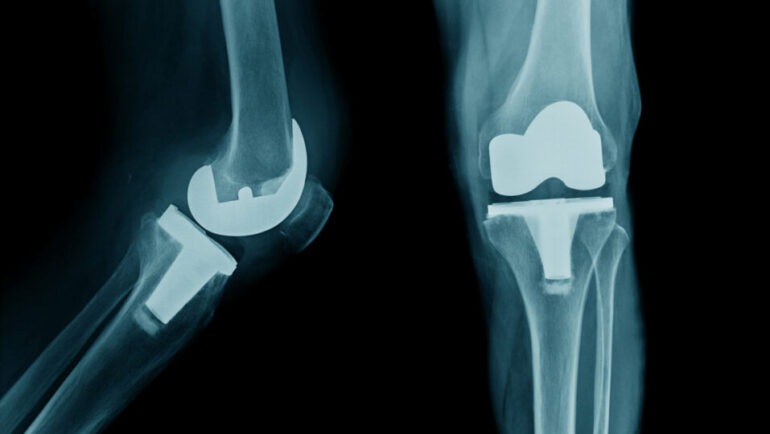
PAPrKA is a University of Manchester-led study investigating physical activity trajectories before and after knee replacement using smartphone and wearable data.
Clinical Context and Unmet Need
Knee arthroplasty is a common procedure, but recovery outcomes vary widely. Traditional assessments rely on clinic visits and questionnaires, which do not fully capture real-world recovery patterns.
Study Design and RADAR-base Integration
- Ongoing recruitment
- Population: patients undergoing knee replacement
- RADAR-base supports:
- Smartphone-based activity tracking
- Wearable data integration
- Longitudinal real-world monitoring
Solution
RADAR-base enables continuous capture and integration of real-world activity data, providing objective insights into recovery patterns.
Impact
- Changes in service delivery: Remote post-operative monitoring
- Improved outcomes (potential): Better recovery understanding
- Collaboration: Multi-site research integration
- Operational excellence: Digital measurement innovation
- Patient involvement: Passive and active data contribution
PAPrKA highlights how RADAR-base enables objective, real-world measurement of recovery following surgery. If translated into practice, this could support personalised rehabilitation, improved patient counselling, and enhanced surgical outcomes.
References
https://sites.manchester.ac.uk/health-research-from-home/research-projects/paprka/